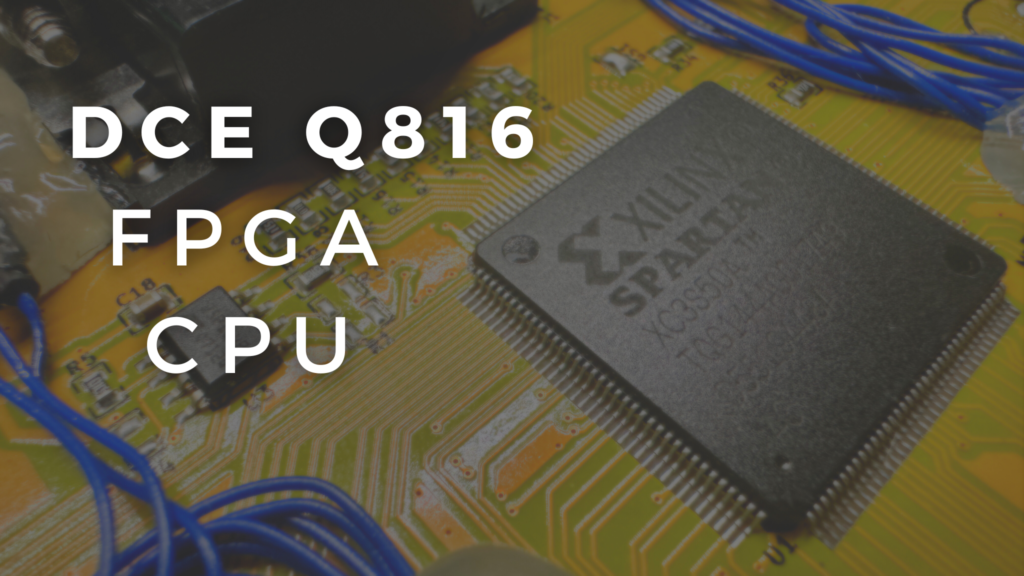
DCE Q816 – first processor in FPGA
My first FPGA soft processor project.
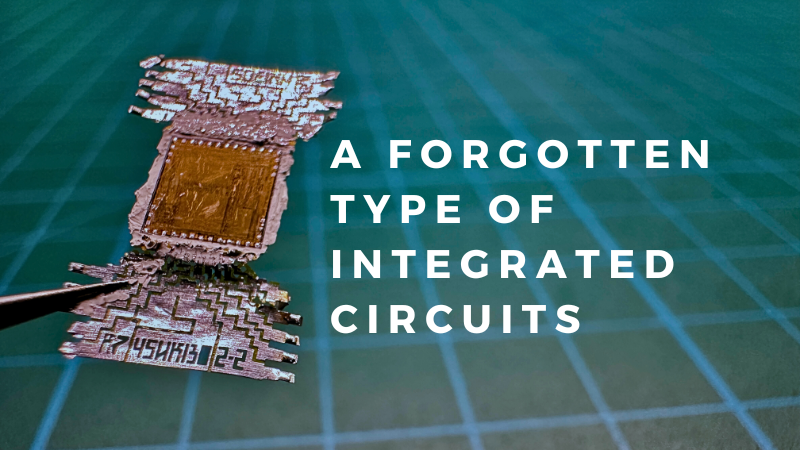
Inside one of my retro treats, the Soviet calculator Электроника МК-52, about which I have already prepared an article“Электроника МК-52 – Soviet calculator in orbit”, as well as in some respects its twin design Электроника МК-61, one can find rather mysterious-looking integrated circuits.
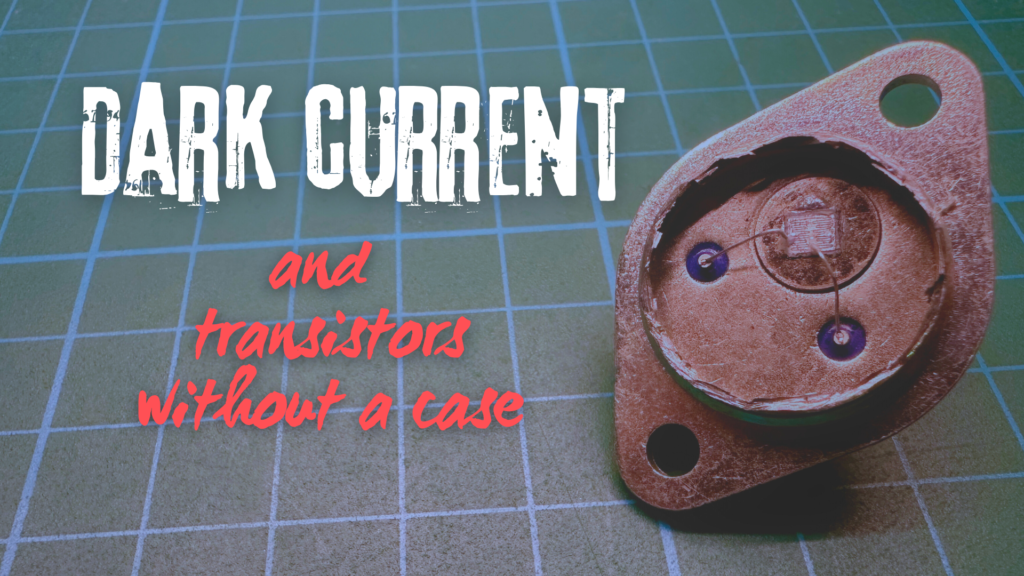
If one Internet trivia site is to be believed, the most manufactured thing in the world is a transistor. This may be true, but the authors of this information must have also taken into account those placed inside silicon cores, although they are not single elements. After all, in discrete circuits there are at least two resistors per single transistor, also the Internet fact can be questioned quite easily. However, whatever one may say, transistors in one form or another are quite common in electronics. It is thanks to them that a whole branch of digital and logic circuits was created, which, along with increasing computerization, have become the building blocks of the modern world.
Some time ago on one of the popular auction sites I noticed a rather interesting offer. It was a module of unknown origin with a small VFD lamp, which I suspect was the seller’s main motivation to get rid of it. After all, fluorescent designs sell quite well, though not as well as Nixie lamps. …
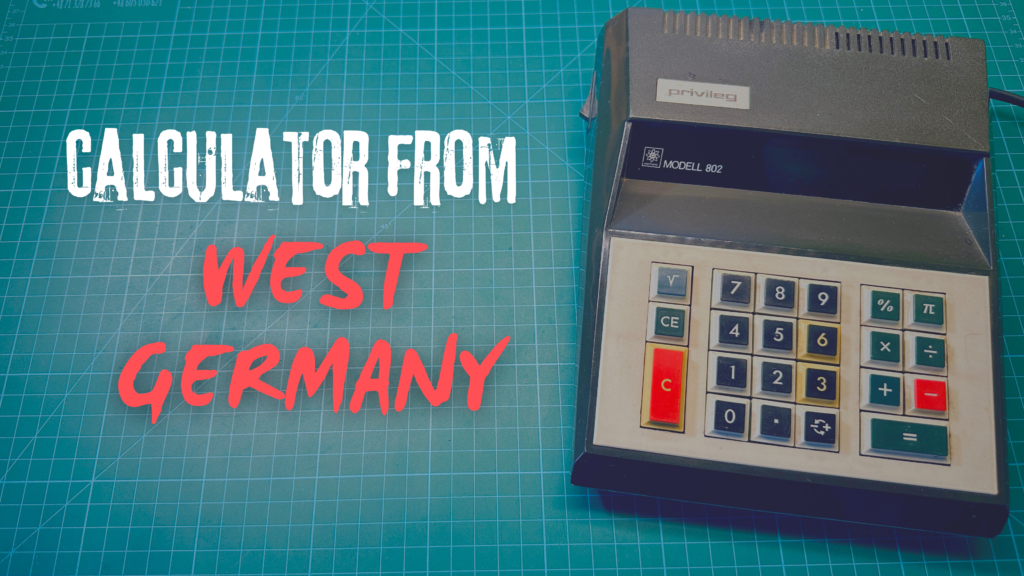
During the communist era, the dream of many people was to own electronic equipment from the West. Acquiring the coveted computer equipment was downright impossible, but equipment such as calculators and audio systems were somehow obtainable. Today we will take a closer look at one such design. The Privileg Modell 802, as it is referred …
PRIVILEG Modell 802 – Calculator from the former West Germany Read More »
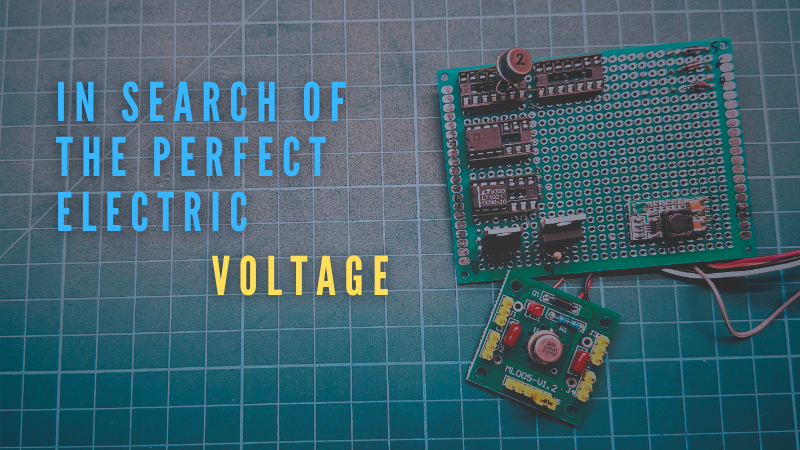
When taking DC voltage measurements with a multimeter, we usually don’t think about its accuracy. Receiving a result of 5.1V, when we expect something in the neighborhood of 5V, we assume that the multimeter’s indication is correct, telling ourselves that simply at the output of the power supply or the USB port of the computer …
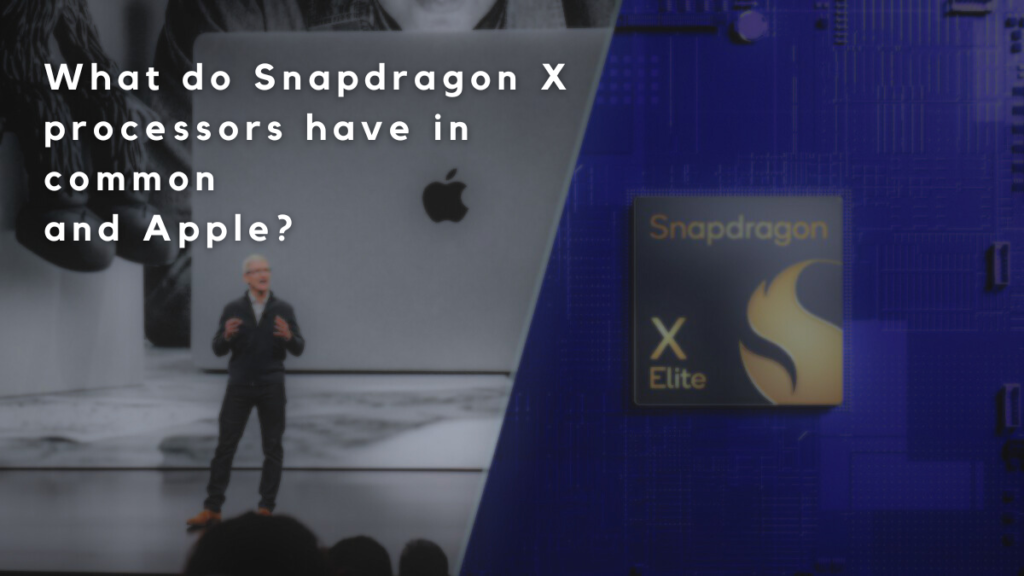
One of the more interesting developments in the world of technology is the recent launch of a new series of ARM processors created by Qualcomm. We are, of course, talking about the Snapdragon X Elite and Snapdragon X Plus chips, which are designed to run in Windows laptops. This is not the first attempt to combine Windows and ARM architecture CPUs, but it is the first one that, in my opinion, can succeed. However, in order for me to sufficiently explain the full background of this story, we need to go back to 2007.
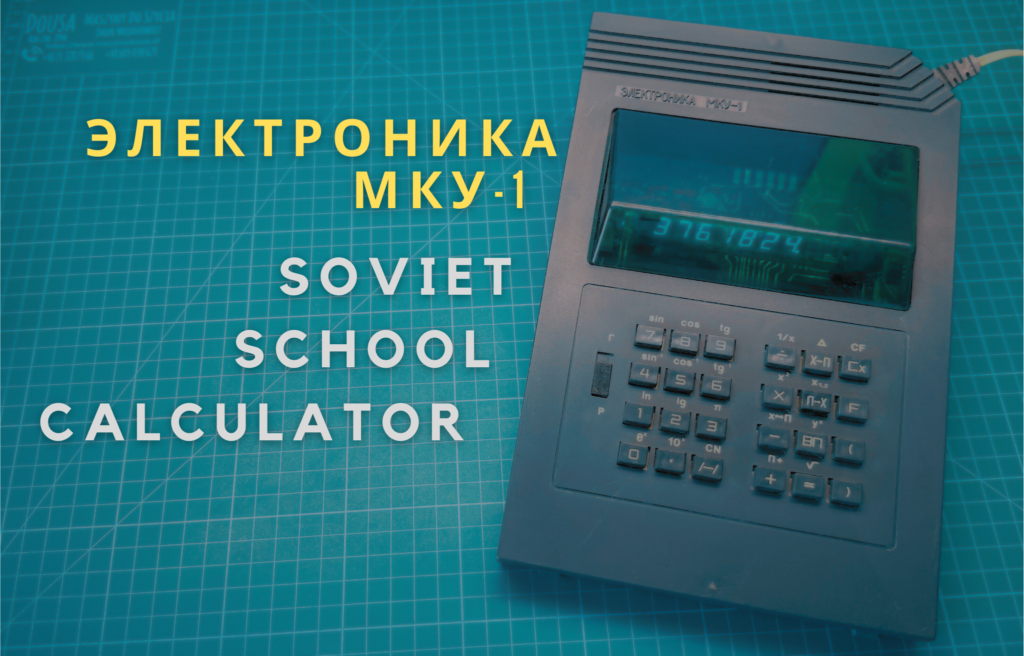
The story of our today’s hero begins in 1987. It is then that the electronic equipment factory in Svetlovodsk (today’s Ukraine) leaves the first calculator Электроника МКУ-1 (Elektronika MKU-1). The device was the result of an idea by officials of the Central Planning Bureau and was designed with a specific purpose in mind – the equipment was to serve high school and college students of the Soviet Union. It would enable them to solve even complex mathematical equations much more quickly and simply.
In today’s world, the importance of various types of devices from the “smart home” category is growing day by day. There is nothing surprising in this, after all, thanks to these, sometimes very simple equipment, we can remotely control home lighting, heating or ventilation. Besides, thanks to all kinds of sensors, reading temperature, humidity and light intensity has become much simpler. The data collected by the system can be used to intelligently manage actuators such as relays. In other words, today’s technology allows us to build really complex structures at a low cost, which we can call a smart home.
The great events of the space industry not only capture our attention, but also inspire us to think about the achievements of science and technology. One of the fascinating aspects of the conquest of space is the role that technology has played in these spectacular achievements. However, in the shadow of the famous rockets, astronauts and space stations, there are little-known elements of this space history, such as the Soviet Электроника МК-52 calculator.